





What To Check In A Paradise 8 Casino Review
Imagine you have ten minutes before you commit to anything. Most players do the same quick loop: open the lobby, find the cashier, then locate support and limits, because those four areas predict how the whole experience will feel.
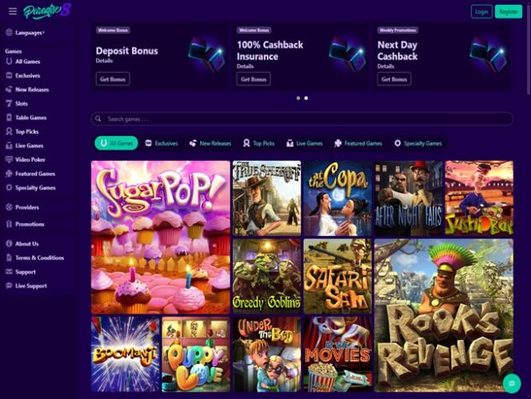
Start with navigation. If you can search, filter, and save favourites without fighting pop-ups, you’ll likely have calmer sessions. If settings and history are buried, expect more guessing later, especially when you want to stop or track spending.
One important note for 2026: access, payment options, and rules can vary by location and method. If you’re in Australia, play only where it’s permitted for you and only if you meet the legal age requirements - then use limits from the first day.
The Five-Minute Lobby Test Most Players Use
Picture this: you want one game, not a tour. A simple test is search a title, add it to favourites, leave the game page, then return and launch it again from favourites.
If that flow is smooth, you won’t be pushed into impulse clicks as often. Also look for clarity: bet size should be visible, stake changes should be obvious, and leaving a game shouldn’t feel confusing.
A Safety Pass Before Your First Deposit
Imagine your finger hovering over “deposit” and you realise you haven’t checked the basics. Do a short pass first: set a deposit cap, find time-out or self-exclusion tools, and open transaction history so you know where to verify activity.
Then do a small test deposit, confirm it appears in history, and only after that decide if you want a longer session. Keeping your profile details consistent with your documents from day one can also reduce extra steps when you request a payout.
Account Setup And Verification Basics
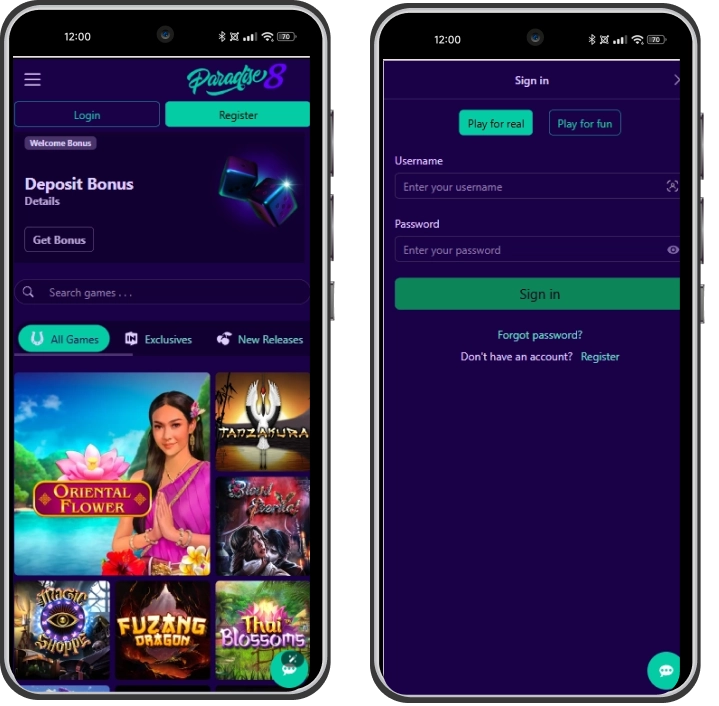
Picture signing up on a phone while distracted - this is where typos happen. Slow down: use accurate details, a strong password, and one email you actually control, because changes later can trigger extra checks.
If the platform offers extra security options, switch them on while you’re calm. Players often leave this for “later”, then forget, then get locked out at the worst moment. A password manager helps too: you avoid weak repeats and you don’t end up resetting credentials mid-session.
If verification is requested, treat it as normal account protection. Players usually run into trouble when the payment method isn’t in their name, or when profile details don’t match what they submit during checks.

Game Selection, Search, And Session Flow
Imagine opening a games page with hundreds of tiles and no plan. The easiest way to avoid random choices is to build a shortlist: pick one category, search a couple of titles, and favourite three games you can return to next time.
Also pay attention to how the platform separates demo-style play from real-money play. Many players test a title briefly at low stakes first, just to see pacing and features, then decide whether it fits their mood and budget.
A small habit that helps: keep a quick note after each session - what you played, what stake felt comfortable, and when you stopped. Next time you log in, you’re not starting from scratch, and you’re less likely to chase a “new” game just because you feel impatient.
Finding A Game Without Endless Scrolling
Picture you only have five minutes. Use the search bar with partial words, open a result, then immediately favourite it if you like the layout and controls.
If search feels weak, switch to categories and do the same “favourite-first” habit. A small, personal list reduces emotional hopping after losses.
Setting Stakes And Speed On Mobile
Imagine playing one-handed with notifications popping up. That’s when stakes creep up without notice, especially if the bet control is too sensitive.
Set a default stake, avoid rapid-spin settings if they push you into autopilot, and keep the balance display visible. Decide your maximum stake for the session before the first bet, not after a win or a loss.
Payments And Cashier Habits For Australians
Imagine you finish a session and want money movement to feel predictable. Most problems come from messy history: switching methods often, retrying failed deposits repeatedly, or changing profile details mid-week.
Pick one primary payment method, keep it under your own name, and read the on-screen cashier prompts slowly. Different options can require different approvals, and “fast” deposits don’t always mean “fast” payouts.
Use the table below as a practical checklist - it’s not about promises, it’s about habits that keep your account trail clean.
Cashier Topic | What You Do In Practice | What To Double-Check | Why it matters |
|---|---|---|---|
First Funding | Choose method, enter amount, approve | Currency, limits, fees shown | Prevents accidental overfunding |
Payout Request | Select method, confirm details, submit | Profile matches payment ownership | Reduces extra verification |
Method Change | Add a new option, verify it once | Name format, account details | Avoids mismatches and delays |
Session Controls | Set caps for spending and time | When changes take effect | Helps you stop on schedule |
Deposits That Keep Your History Clean
Imagine a deposit fails once, then shows pending, and you want to hammer the button again. The clean approach is slower: attempt once, read the message, then check transaction history before you retry.
If your bank blocks it, the fix may be on your side (approval, security limits). If the platform rejects it, take a screenshot of the message and contact support with time and amount instead of stacking attempts.
Withdrawals Without Surprise Steps
Imagine you request a payout and see a prompt for more checks. That can happen when you changed methods, updated details, or the platform flags an inconsistency.
Prepare early: complete checks when you’re calm, keep one method consistent, and double-check details before you submit a request. One clean payout request is easier to handle than multiple edits and cancellations.
If A Payment Fails, Do This First
Picture frustration rising after a decline and your instinct is to “fix it” with a bigger deposit. Pause: confirm you didn’t hit a limit you set, confirm the method is available, and confirm the amount.
Write one short note with time, amount, device, and the exact message. Then decide if you still want to play - or if you’re reacting to the decline.
Promotions And Value Without Pressure
Imagine a banner pops up and you feel you must take it. Most players accept quickly, then discover the offer changes how long they need to play or what can be withdrawn.
Treat promotions as optional. Read the points that change outcomes: wagering requirements, time windows, max bet rules, and which games count. If anything is unclear, skipping is often the smarter choice.
A good habit is budget-first. Set your deposit amount and session length, then only take offers that fit inside that plan, not offers that push you to spend more.
Choosing When To Skip An Offer
Imagine you planned a short session, but the promo requires long play to unlock benefits. In that situation, the “deal” is really pressure, because it nudges you to stay longer than you intended.
A simple rule many careful players use: if you can’t explain the conditions in one sentence, don’t accept. Keep your focus on entertainment value you can control today, not on a promise that only pays off after hours of extra play.
Support, Limits, And Responsible Play Tools
Imagine a rough streak where you’re tempted to chase losses. This is exactly when limits, time-outs, and self-exclusion tools matter - they stop a session from turning into impulse spending.
Set a deposit cap and a time cap while you’re calm, and treat them as part of your entertainment budget. If you notice you’re playing longer than intended, use a time-out to reset instead of trying to “power through”.
If you’re in Australia, remember that rules can differ by state and context. Play only where it’s permitted for you and only as an adult of legal age, and keep gambling as paid entertainment, not a way to solve money problems.
Getting Help Faster With One Clear Message
Picture a glitch right after you click something important. A helpful message includes: what feature you used, the exact time, what device you were on, and the message shown on screen.
Add what you already tried (restart, network change, reopen game). One structured report usually beats five angry follow-ups.
Setting Limits Before Your Mood Changes
Imagine logging in after a stressful day “just to switch off”. That’s when limits protect you, because they prevent emotional decisions from becoming expensive ones.
Set caps slightly below what you can comfortably afford for entertainment. If you struggle to stick to your own plan, use stronger tools like longer time-outs or self-exclusion as a reset, not a punishment.