





Start With A Clean Setup On Your Device
Picture this: you sit down for a quick session, and the page keeps reloading like it can’t decide what it wants. Most of the time it’s the device, the browser, or the connection doing something messy in the background. A two-minute setup makes everything feel smoother.
Use a device you control and keep your system updated. If you share a laptop, create a separate user profile so autofill and saved passwords don’t become a surprise for the next person. If you use a VPN, expect extra prompts - sudden location jumps look suspicious by design.
In Australia, availability and features can depend on local rules and operator policies, so follow the flow you’re shown and don’t try to fight the checks.
Check Time, Browser, And Popups Before You Blame Anything
Imagine you request a verification code, it arrives, you enter it, and it still fails. Annoying, but often it’s your device clock drifting or your browser blocking a confirmation window.
Set device time to automatic, update your browser, and temporarily pause overly aggressive blockers if buttons or boxes don’t appear. Keep it to one tab and avoid switching networks mid-step.
Keep Sessions Private When The Device Isn’t Only Yours
Let’s say you borrow a partner’s tablet “just for a minute,” then forget to sign out. Next time, you’re both confused about whose balance you’re seeing.
Don’t save credentials on shared devices. When you finish, sign out on purpose - it’s the easiest way to prevent accidental access later.
Make Your Account The Right Way From The Start
Here’s the real-life goal: play now, withdraw later without drama. Those two things are connected. If you rush profile details, you can create friction later when the platform needs to confirm identity or payment ownership.
Use one email you actually check and keep your personal details consistent with your payment method. The idea is simple: make the account look like a single, coherent person from day one.
Make Paradise 8 Casino Sign Up Feel Effortless, Not Risky
Imagine filling the form on a small phone screen while notifications keep popping up. People hit submit, then realize they typed their email wrong by one character. That’s the kind of mistake that can ruin an evening.
Slow down for one minute at the end. Re-read your email carefully, confirm your phone number format, and choose a long passphrase you can repeat without tricks. If extra sign-in protection is offered, turn it on while you’re calm.
Recovery Options You’ll Thank Yourself For Later
Suppose you change phones, lose access to an old number, or travel and can’t receive messages the way you usually do. If recovery settings are weak, you’re suddenly locked out at the worst possible time.
Add a backup recovery method you control long-term and keep it updated. If there’s a device list or session history, review it once after setup so you know what “normal” looks like.
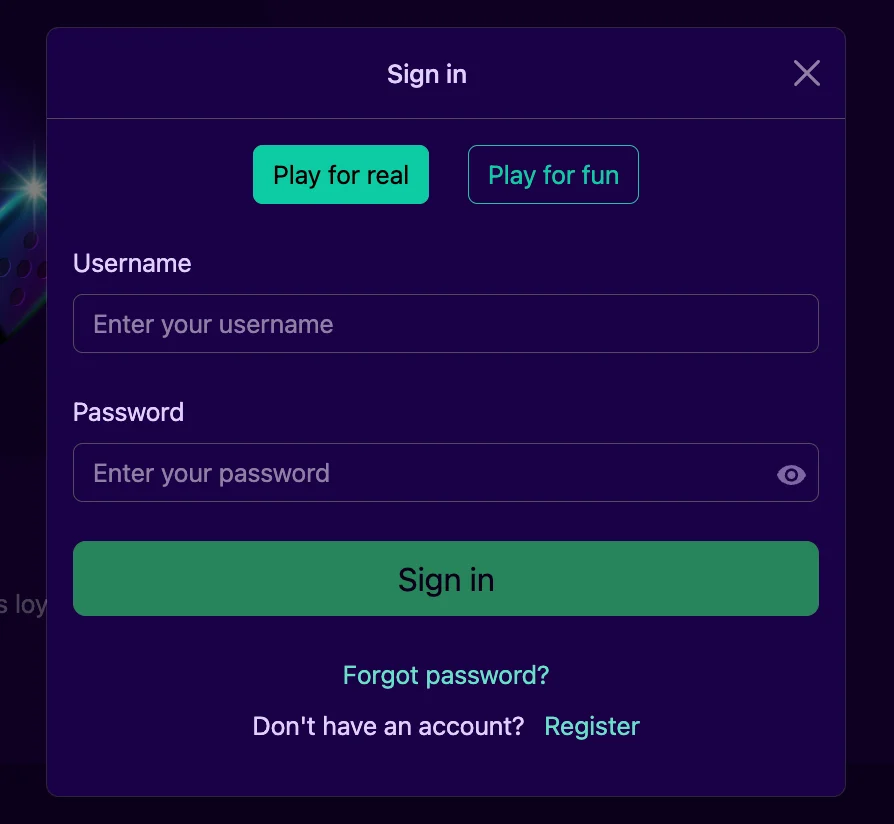
Your Sign-In Routine In Real Life
Most players don’t lose access because they “forgot everything.” They lose access because they sign in like they’re in a hurry: five tabs open, a refresh, then another attempt, then two code requests. The system reads that as chaos and responds with more checks.
Try this instead. Decide what you want to do before you enter your details: check balance, deposit, play, or cash out. Open one window, type carefully once, and wait. If a prompt appears, finish it fully before clicking around.
Keep age gating in mind. The platform is intended for players of legal age, and the safest approach is to treat checks seriously and answer honestly.
When You Cannot Get In: Fixes That Actually Work
Let’s be honest: the worst time to troubleshoot is when you’re already annoyed. You’ll click faster, read less, and make it worse. So change one thing at a time, then test.
Reset Without Triggering Locks
Say you’re not 100% sure which password you used. Stop after one or two attempts. Use the reset flow once, from a fresh tab, and don’t keep hammering the form.
After you regain access, remove old autofill entries that keep injecting the wrong password. Then, if the platform lets you, sign out of other sessions you don’t recognize.
One-Time Codes That Never Arrive
Picture this: you’re staring at your phone, waiting for a code that feels like it’s taking forever. Before you request another one, check signal, spam filters, and device time settings.
Avoid rapid-fire requests. Many systems invalidate the previous code when a new one is generated. If you can choose delivery options, pick the one you can access reliably day to day.
New-Device Checks And VPN Reality In 2026
You buy a new phone, clear cookies, or sign in from a different network - and suddenly you’re treated like a new person. That’s normal, and it’s usually security doing its job.
Finish the checks calmly instead of bouncing between devices and tabs. If you don’t need a VPN, staying consistent often reduces friction.
Deposits, Cashouts, And Limit Controls
Here’s a scenario that happens all the time: someone deposits, plays, wins a bit, then tries to withdraw the same day and hits extra checks. Often it’s not “broken,” it’s the account needing a few confirmations or the method needing consistency.
Treat deposits and withdrawals as one connected flow. Use a method you can access long-term, keep details consistent, and save confirmations for your own records.
One more practical habit in 2026: avoid “double payments” caused by impatience. Imagine you fund once, nothing appears instantly, and you top up again - then both land and your budget is suddenly off. If a transaction looks slow, check your payment app first, then the cashier history, and only repeat after you’re sure the first attempt didn’t go through. While you’re there, set a sensible deposit cap so a glitchy moment can’t turn into overspending.
Payment Method Style | When It Fits Best | Funding Feel | Cashout Feel | What To Double-Check |
|---|---|---|---|---|
Bank Card | Quick, familiar checkout | Usually fast | Can depend on issuer steps | Name match, daily caps |
Bank Transfer | Planned amounts | More structured | Steady, not instant | Cut-off times, reference notes |
E-wallet | Separate play budget | Fast after setup | Often smoother | Verification, possible fees |
Prepaid Voucher | Strict spend control | Simple top-up | May need another route | Cashout compatibility |
Instant Bank Pay | Mobile convenience | Very fast | Varies by provider | Confirmation prompts |
Funding Without Overthinking
Imagine you’re testing the platform for the first time. A small deposit confirms the flow works on your device and your method. Once you see it land correctly, you can decide whether to add more.
Before you confirm, check currency, minimum amount, and any optional promotions. Then verify your transaction history once and move on to games.
Cashout Requests Without Drama
Suppose you submit a withdrawal and then immediately change the destination method because someone online claimed it’s “faster.” That’s how simple requests turn into slow ones.
Submit one clear request, then wait for updates instead of resending. If extra confirmation is needed, respond with short facts: amount, method type, and request time.
Mobile Play In 2026: Small Habits, Big Stability
Mobile sessions can be great, but they’re sensitive. Picture a commute where your connection flips and the game freezes right when it loads. That’s a phone doing phone things.
Use an updated browser, keep one session open, and avoid ten background apps fighting for memory. If something looks broken, close the tab, reopen, and try once on a stable connection.
Blank Screens And Stuck Buttons: Quick Fixes That Work
Imagine the lobby loads but the buttons don’t respond. The usual culprits are power-saving modes, overlay apps, or a network switch mid-load.
Turn off extreme battery saver for the session, close overlay apps, and switch networks once. If that doesn’t help, clear site data for the platform only and try again.
Biometrics And Passkeys With Boundaries
It’s convenient to unlock with a fingerprint. But imagine lending your unlocked phone to a friend for a photo and forgetting you’re still signed in. Convenience without boundaries is how accidental access happens.
Use a strong device passcode, keep recovery options current, and avoid saving credentials on shared devices. Passkeys can reduce phishing risk, but they still depend on you controlling your devices.
Support, Complaints, And Responsible Breaks
When something goes wrong, support is easier to work with if you give them something they can act on. Imagine writing “help” with no details - the agent has to ask five questions and your issue sits longer.
Start with facts: what happened, when it happened, method type, and what you already tried. Keep your tone neutral. If you notice chasing or frustration, take a break - the best choice is often stepping away.
A Message Template That Gets Answers
Suppose a transaction shows “processing” longer than expected. Many players send three messages in a row and the thread becomes hard to follow.
Use a simple structure: action, result, question. “I attempted a withdrawal at [time], it shows [status], do you need any additional confirmation?” Send one message, then wait.
Timeouts, Cooling-Off, And Self-Exclusion Tools
Picture a night where you keep saying “one more” and it stops being fun. That’s the perfect moment to use built-in tools, not the moment to rely on willpower.
Set deposit limits, session reminders, and cooling-off breaks before you’re stressed. If you need stronger boundaries, self-exclusion is there for a reason. Combine platform tools with device habits like focus mode or app timers.